

AdFocus Awards 2025: The Power of Partnership in a Changing Industry
Recognising agencies that don’t just create, but perform—with a spotlight on the IAS-sponsored Partnership of the Year Award.
Now in their 45th year, the AdFocus Awards stand apart as South Africa’s only business-focused accolades for the marketing and advertising industry.
While most awards celebrate creative output, AdFocus looks deeper—into how agencies are built and led.
This year’s theme, “Creative Capital: Building Agency Value in a Complex World,” underscores that evolution. “Agencies aren’t just creative shops anymore—they’re strategic businesses building long-term value through impact creativity,” says Vicki Buys, MD of Ogilvy South Africa and this year’s awards chairperson.
With entries double those of 2024, the 2025 competition has attracted record engagement, signalling a confident industry where creativity and business performance go hand in hand.
Winners will be announced at the AdFocus Awards ceremony on 26 November.
Spotlight on Partnership
Within this broader celebration of agency excellence, the AdFocus Partnership of the Year Award, sponsored by the Independent Agency Search & Selection Company (IAS), shines a light on what truly fuels great work: trust, collaboration and results.
The IAS has sponsored this award for over 15 years, briefing judges and helping define criteria that go beyond campaign success. Their sponsorship reflects a deep understanding of what makes agency relationships work—expertise gained from years of connecting brands with the right partners.
Notably, the award recognises the marketer’s role in shaping and sustaining that success. Strong partnerships don’t just depend on agency excellence—they rely on committed, strategically-minded marketing teams who champion bold ideas and drive ongoing performance.
To qualify for entry, partnerships must span at least three years and show sustained performance — “not just a spike in success, but proof of consistent collaboration that drives growth,” as the award criteria state.
This year’s finalists clearly demonstrate that endurance.
From Legacy to Leadership
Last year’s winners, Ogilvy South Africa and the KFC marketing team, proved the long game still wins. After 20 years together, the partnership didn’t rely on legacy—it evolved. KFC’s marketers championed a refreshed taste narrative and backed brave creative decisions, resulting in a 36% sales surge and a renewed cultural edge driven by bold, youth-focused storytelling.
This year’s shortlist tells another powerful story—99c and Checkers, The MediaShop and Shoprite Checkers, and Ogilvy South Africa and Volkswagen—each pairing reflecting a partnership that transcends contract cycles, showing how collaboration can build both brands and businesses over time.
The Heart of the Industry
Johanna McDowell, CEO of IAS and partner in SCOPEN South Africa, explains: “This award recognises the human chemistry behind commercial creativity. Exceptional work is only possible when the client-agency relationship is built on integrity, shared ambition and respect.”
In a climate where client-agency relationships risk becoming transactional, the Partnership Award is a reminder of what great marketing is built on—connection and creativity that deliver measurable results.
Both marketers and agencies receive the award—an acknowledgement that high-performing work is always co-authored.
The AdFocus Awards may honour agencies, but the IAS Partnership of the Year honours the connective tissue that keeps them thriving: the partnerships that last and continue to drive the industry forward.
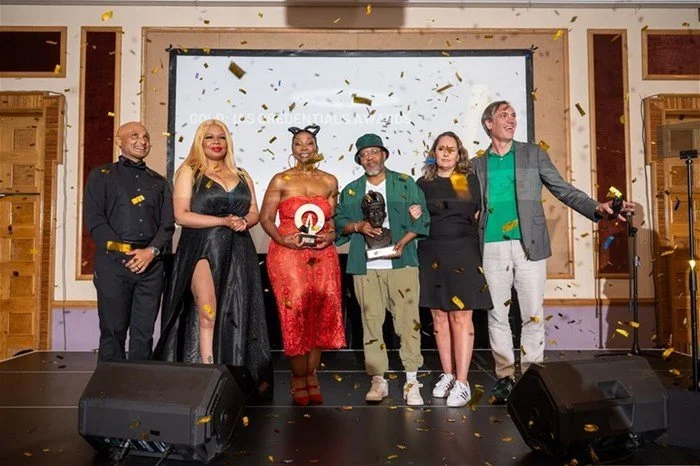
Ogilvy Takes Top Honours at 2025 IAS Agency Credentials Award
Three agencies rise above the pack in credentials that truly speak for themselves.
The Independent Agency Search & Selection Company (IAS), in partnership with the Assegai Integrated Marketing Awards, announces Ogilvy as the top performer, for the third consecutive year, with Offlimit Communication as runner-up and Roger Wilco in third place in this year's IAS Agency Credentials Award. Both submissions delivered credentials that didn't just showcase their work—they revealed their DNA.
The 2025 competition attracted entries from creative, digital and media agencies nationwide. The judging panel comprised leading South African marketers alongside international expertise from Cesar Vacchiano, President and Global CEO of SCOPEN International, and global marketing procurement specialist Tina Fegent.
"What struck me about the winning entries was their refusal to hide behind industry jargon and award logos," said one marketer judge. "These agencies understood that we're not just buying their work—we're buying them. Their credentials showed who they really are."
The IAS Agency Credentials Award, relaunched in 2021 as part of IAS's partnership with DMASA, has become the industry benchmark for credentials that deliver tangible results. Unlike typical industry recognition, this award places agency submissions directly in front of the people who matter most: marketers making procurement decisions.
Johanna McDowell, Founder and CEO of IAS, believes this year's winners exemplify what credentials should achieve: "Don't treat credentials as an afterthought. They speak for the agency when it's not there to speak for itself. Ogilvy, Offlimit Communication and Roger Wilco understood this completely—their submissions told compelling stories that went far beyond case studies and buzzwords."
The award evaluates both written credentials and agency culture presentations, recognising that today's marketing landscape demands authenticity over artifice. Agencies that win understand credentials aren't just about what they've achieved—they're about who they are.
The award's partnership with the Assegai Awards—now backed by international recognition through the Echo Awards—continues to place South African agency excellence on the global stage.
"What set the winners apart? Clarity," said Fegent. "They knew their positioning, showed their culture and delivered ROI. Simple as that."
In a marketplace where sameness is the enemy, Ogilvy, Offlimit Communication and Roger Wilco have proven that authentic differentiation isn't just possible—it's powerful. Agencies that dare to be genuinely themselves will always rise above the noise.

Integration, AI and Emotion: Mapping The New Agency Blueprint at AdForum 2025
The world's leading agency search consultants gathered in London in October for the AdForum Worldwide Summit 2025, charting the course of an industry balancing AI-driven efficiency with a creative renaissance. South Africa's Independent Agency Search & Selection Company (IAS) joined 34 global consultancies in closed-door sessions with CEOs from powerhouses like WPP, Ogilvy and Publicis Groupe, and independents, including Lucky Generals, Coolr and JOAN Creative, in discussions centred on integration, AI and the enduring value of creativity in a data-driven world.
Integration Reimagined
After two decades of separating media, creative and tech into silos, the pendulum has swung back. Integrated pitches are up 25%, signalling a deeper structural shift. Holding companies are restructuring around "constellations"—unified teams linking media, creative, data and tech.
"Clients want joined-up solutions across creative, media, technology and commerce," said Johanna McDowell, CEO of IAS. "What's exciting is that this time, integration is being driven by collaboration rather than consolidation."
Social Takes The Lead
Social media now commands more spend than television, and specialist agencies are thriving. The influencer economy, now worth nearly $40 billion globally, demands real-time cultural engagement and creator collaboration.
"Social has become an essential communication strategy," McDowell noted. "It drives results and builds brands, and the agencies that connect the two are winning."
The Emotion Edge
AI stole the spotlight, but emotion stole the argument. Agencies are beginning to rebel against metrics that make creative work safe, same and forgettable.
Creativity is returning to centre stage as clients recognise that attention and emotion directly correlate with marketing ROI. As a leading consultant noted, “The real opportunity is human intelligence enhanced by AI—that’s where empathy and imagination still win.”
The consensus? The differentiator for agencies won’t be their tools, but how creatively they apply them. Technology may enhance efficiency, but lasting differentiation comes from human intuition and emotional resonance.
AI and the Race to the Mean
AI democratises technology but risks homogenising brands through what one agency called "a race to the mean," as outputs push marketing towards category averages. The real edge now lies in proprietary data and in combining human intelligence with AI.
"AI should strengthen creativity, not merely reduce cost," consultants warned.
The Business Model Shake-up
Traditional hourly billing is crumbling. Forward-thinking agencies are pioneering outcome-based pricing, subscription models and performance payouts tied to results. Additionally, agencies are prioritising talent and adopting flexible talent structures, including fractional roles and hybrid models that mirror current work preferences.
"Clients don't want to buy hours. They want to buy impact," one consultant observed.
Bringing it Home
For IAS, the takeaways from London extend beyond observation. “These insights help us guide South African marketers towards partners that think boldly and operate to global standards,” says McDowell. “The energy in London was electric—and we’re bringing that momentum home.”
IAS will unpack its key learnings at a Masterclass on 28 January 2026, open to agencies, marketers and brand leaders across South Africa.

ADFORUM GLOBAL SUMMIT 2025 LONDON 20-23 OCT WRAP UP
AdForum is a unique, invitation-only and hyper-focused event for agency CEOs to present their strategy and vision to the world's leading search and management consultancies. IAS is proud to be representing South Africa and Africa at this summit.

ADFORUM GLOBAL SUMMIT 2025 LONDON 20-23 OCT DAY 3
AdForum is a unique, invitation-only and hyper-focused event for agency CEOs to present their strategy and vision to the world's leading search and management consultancies. IAS is proud to be representing South Africa and Africa at this summit.

ADFORUM GLOBAL SUMMIT 2025 LONDON 20-23 OCT DAY 2
AdForum is a unique, invitation-only and hyper-focused event for agency CEOs to present their strategy and vision to the world's leading search and management consultancies. IAS is proud to be representing South Africa and Africa at this summit.

Why Smart Marketers Now Treat Research Selection Like an Agency Pitch
Research Transformed
For years, research was marketing's quiet cousin—steady, sensible and often sidelined when budgets tightened. It was something you did once a year, or only if you were a multinational with deep pockets. But that view is wildly out of date.
Today's research companies bear little resemblance to the clipboard-and-questionnaire outfits of old. AI can analyse 50 000 social media conversations overnight and flag emerging brand concerns before they become crises. Automated testing platforms reveal which ad concept grabs consumer attention before a campaign goes live. What once took six weeks now happens in six days—sometimes six hours.
The catch? Choosing the right research partner is now as complex as selecting your creative agency.
The 40% Problem
Despite these advances, research remains underused. Around 40% of marketers admit they aren't using research as much as they should. Here's why that matters: media data tells you where people are. Research tells you why they act. The combination is where real effectiveness lies.
Why You Need a Research Matchmaker
This is where pitch consultants can play a pivotal role. Just as they help marketers find the right creative or media agency, consultants can guide them through the increasingly complex landscape of research partners.
The research ecosystem is complex—spanning global giants, local independents and sector specialists. Without guidance, most marketers tend to default to the previous provider.
A pitch consultant brings clarity, neutrality and benchmarking. They help define what type of research a brand actually needs and match it with the right partner and budget. They ensure the process is transparent and strategically sound, saving time and preventing costly mismatches.
As Johanna McDowell, CEO of the Independent Agency Search and Selection Company (IAS), puts it, "The right consultant helps marketers see research not as a cost centre, but as a growth engine."
Consider the stakes: A retailer testing a new store format needs quick behavioural reads. A company entering a new market requires deep understanding of the local culture and effective audience segmentation. Match these needs poorly, and you don't just waste budget; you build your entire strategy on the wrong insights.
South Africa's Research Renaissance
South Africa's research talent is increasingly recognised, with AI-enabled tools levelling the playing field between large and small firms. For marketers, this means credible, cost-effective partners who understand local nuance but operate at global standards—provided you know where to look.
Closing Thought
The question isn't whether to use research; it's whether you're choosing the right research partner with the same rigour you'd apply to selecting your creative agency. For marketers serious about effectiveness, research selection should happen at the start of planning—not squeezed in when there's budget left over.
The message is clear: research has evolved, and it's time your strategy did too.

ADFORUM GLOBAL SUMMIT 2025 LONDON 20-23 OCT DAY1
AdForum is a unique, invitation-only and hyper-focused event for agency CEOs to present their strategy and vision to the world's leading search and management consultancies. IAS is proud to be representing South Africa and Africa at this summit.

ADFORUM GLOBAL SUMMIT 2025 LONDON 20-23 OCT PREVIEW
AdForum is a unique, invitation-only and hyper-focused event for agency CEOs to present their strategy and vision to the world's leading search and management consultancies. IAS is proud to be representing SA and Africa at this summit.

In Search of Agencies at Speed: The Case for Fast Track
Campaign deadlines loom, brand relaunches accelerate, digital partners are needed yesterday. But traditional pitch processes can sometimes take months to complete, which isn’t always ideal when opportunities demand faster action.
This is why the idea of a fast-track pitch has found some traction—a structured yet accelerated approach to finding an agency partner when time is critical. When executed correctly, it delivers the right match without the marathon. When rushed, it can create problems no brand can afford.
What Is Fast-Track?
Think condensed pitch process. Instead of months of shortlisting, workshops and agency presentations, the focus shifts to credentials, capability and cultural fit. Timelines compress to just a few weeks, cutting through the protracted nature of traditional processes.
Fast track works best for experienced marketers who understand agency dynamics and can make swift, informed decisions on specific, time-bound needs. They want efficiency, not education.
Where Substance Meets Speed
Fast-tracking is not a budget option or about cutting corners. Intensive research and evaluation are required—sometimes more than traditional processes. The difference lies in how that rigour is applied: through sharper shortlisting, targeted assessments and market knowledge rather than lengthy pitch presentations.
Success hinges on deep, insider knowledge of the agency landscape. This includes understanding which agencies excel in specific sectors, how fee structures differ across agency types and spotting quality agencies that fly under the radar.
The compressed time frame shifts focus from polished case studies and agency sizzle reels to what’s actually relevant: cultural fit, appropriate expertise and the ability to deliver under pressure. Without this level of insight, brands risk making decisions that feel efficient but can prove costly.
Consider a recent automotive client who needed a digital media agency within weeks due to a sudden brand pivot—fast track delivered the right partnership in under a month.
“Speed without substance doesn’t help anyone,” notes Johanna McDowell, CEO of the Independent Agency Search & Selection Company (IAS). “But when urgency meets the right methodology, outcomes can be just as strong as traditional pitches.”
Know Your Limits
Fast track isn't suitable everywhere. Long-term, full-service agency appointments still benefit from comprehensive evaluation. The sweet spot lies in specific, time-limited projects that require specialised skills—digital campaigns, activation work or niche B2B communications where speed to market trumps traditional courtship.
The trade-off is real: you gain speed and efficiency while sacrificing some depth of evaluation. It’s a calculated risk that works when the brief is clear and the decision-maker is experienced.
The Burgeoning Reality
As the marketing sector becomes more dynamic, expect rapid selection methods to gain momentum. Brands that master this approach will respond faster to market opportunities and build more agile agency partnerships.
The future isn't about choosing between speed and quality—it's about knowing when each approach serves your brand best. Fast track is simply one more option in the toolkit. In a market where timing can determine campaign success, having multiple selection strategies isn't just smart, it's essential.
After all, the perfect agency appointment is the right partner at the right time. Sometimes that time is now.

In Search of Agencies at Speed: The Case for Fast Track
Campaign deadlines loom, brand relaunches accelerate, digital partners are needed yesterday. But traditional pitch processes can sometimes take months to complete, which isn’t always ideal when opportunities demand faster action.
This is why the idea of a fast-track pitch has found some traction—a structured yet accelerated approach to finding an agency partner when time is critical. When executed correctly, it delivers the right match without the marathon. When rushed, it can create problems no brand can afford.
What Is Fast-Track?
Think condensed pitch process. Instead of months of shortlisting, workshops and agency presentations, the focus shifts to credentials, capability and cultural fit. Timelines compress to just a few weeks, cutting through the protracted nature of traditional processes.
Fast track works best for experienced marketers who understand agency dynamics and can make swift, informed decisions on specific, time-bound needs. They want efficiency, not education.
Where Substance Meets Speed
Fast-tracking is not a budget option or about cutting corners. Intensive research and evaluation are required—sometimes more than traditional processes. The difference lies in how that rigour is applied: through sharper shortlisting, targeted assessments and market knowledge rather than lengthy pitch presentations.
Success hinges on deep, insider knowledge of the agency landscape. This includes understanding which agencies excel in specific sectors, how fee structures differ across agency types and spotting quality agencies that fly under the radar.
The compressed time frame shifts focus from polished case studies and agency sizzle reels to what’s actually relevant: cultural fit, appropriate expertise and the ability to deliver under pressure. Without this level of insight, brands risk making decisions that feel efficient but can prove costly.
Consider a recent automotive client who needed a digital media agency within weeks due to a sudden brand pivot—fast track delivered the right partnership in under a month.
“Speed without substance doesn’t help anyone,” notes Johanna McDowell, CEO of the Independent Agency Search & Selection Company (IAS). “But when urgency meets the right methodology, outcomes can be just as strong as traditional pitches.”
Know Your Limits
Fast track isn't suitable everywhere. Long-term, full-service agency appointments still benefit from comprehensive evaluation. The sweet spot lies in specific, time-limited projects that require specialised skills—digital campaigns, activation work or niche B2B communications where speed to market trumps traditional courtship.
The trade-off is real: you gain speed and efficiency while sacrificing some depth of evaluation. It’s a calculated risk that works when the brief is clear and the decision-maker is experienced.
The Burgeoning Reality
As the marketing sector becomes more dynamic, expect rapid selection methods to gain momentum. Brands that master this approach will respond faster to market opportunities and build more agile agency partnerships.
The future isn't about choosing between speed and quality—it's about knowing when each approach serves your brand best. Fast track is simply one more option in the toolkit. In a market where timing can determine campaign success, having multiple selection strategies isn't just smart, it's essential.
After all, the perfect agency appointment is the right partner at the right time. Sometimes that time is now.

IAS Heads To London For Adforum Worldwide Summit 2025
The global advertising elite are gathering in London from 20-23 October for the AdForum Worldwide Summit, and South Africa's Independent Agency Search & Selection Company (IAS) will be there for the conversations that matter.
This twice-yearly invitation-only event brings together the world's leading search consultants with agency CEOs who are rewriting the rules of creativity and client growth. It's an exclusive forum where business opportunities are discussed, industry shifts are decoded and the future of marketing communications takes shape.
What makes the Summit essential
The AdForum Summit is all about access and insight. This year, agency leaders from holding companies, global networks and breakthrough independents will present their strategies, vision and work directly to over 30 global search consultants spanning six continents. These aren't public presentations; they're private, candid conversations held at agency offices where CEOs share their view from the top with the people who influence where the industry's money flows.
For consultants navigating an increasingly complex marketing ecosystem, it's a fully hosted, week-long immersion into which agencies are actually driving growth for their clients right now.
London 2025: the line-up
This year's programme features agencies at the forefront of creative excellence and business transformation. Global powerhouses, including WPP, Omnicom Advertising Group and Dentsu Creative, and Ogilvy will present alongside a strong showing from independents like, DEPT, Unchartered, Joint and PMG. .
Conversations will centre on network consolidations, the surge of independent agencies and how agencies are adapting to marketers' rapidly evolving needs.
The highlight? A meeting with Cindy Rose, WPP's new CEO, who took the helm on 1 September 2025.
Why IAS attends
For two decades, IAS has been the only South African pitch consulting company consistently participating in the AdForum Summit. It's how they stay ahead.
"We accept the invitation, along with the investment in costs, because staying at the forefront isn't optional—it's essential," says Johanna McDowell, Founder and CEO of IAS and partner for SCOPEN Africa. "The AdForum Summit gives us direct access to the conversations shaping our industry's future. This year is particularly significant as agencies grapple with fundamental questions: How do they partner with business differently? How do they break through old models and tackle the next frontier of challenges? These are the discussions that matter for our clients back home."
IAS will join 34 other consultancies from across the globe, representing markets from the United Kingdom, United States, Europe, United Arab Emirates and Australia. McDowell will represent SCOPEN Africa at the Summit alongside SCOPEN colleagues from Spain.
Bringing London insights home
South African agencies, brands and marketers won't miss out. IAS will host a masterclass on January 28, 2026, sharing key insights, learnings and case studies from the London Summit. Follow IAS on LinkedIn for details.
The AdForum Worldwide Summit runs from 20 to 23 October 2025 in London.

Partnership Redefined: Early Signals from AGENCY SCOPE 2025
AGENCY SCOPE 2025 is halfway through its most ambitious research cycle yet, and the data is telling a compelling story: marketers are demanding sharper strategies, faster turnarounds and AI capabilities that seem scarce in the market, potentially opening fresh opportunities for agencies ready to lead.
The fieldwork is capturing the tensions and opportunities reshaping marketer–agency relationships. Interviews with CMOs, senior marketing leaders and agency executives suggest an industry at a turning point.
The AI Wildcard
"Right now, AI feels like electricity in 1890," says one leading FMCG marketer. "We know it will power everything, but most of us are still figuring out where to plug it in."
Initial responses suggest marketers see AI as transformative—a potential path to greater agility, lower costs and enhanced creativity. Yet there appears to be a significant gap when asked to name agencies they view as AI-ready.
The Agility Advantage
Early findings indicate that with consumer trust facing pressure from misinformation and a splintered media landscape, marketers need innovative, precise strategy and faster delivery. This shift seems to prioritise agility over scale.
Early indicators suggest an acceleration of in-housing for some functions, with marketers showing gravitational pull toward smaller, specialised partners for creative and digital work. While network convenience still has appeal, preliminary responses suggest declining work quality concerns and high staff turnover issues, particularly from creative agencies that have been absorbed into larger groups.
Talent Shifts and Budget Pressures
Early feedback highlights growing frustration with unstable teams and constant onboarding. Senior managers are seen as less involved in daily work, while experienced agency professionals are increasingly moving client-side—bringing insider knowledge with them.
Emerging insights indicate budgets remain under intense scrutiny. Many marketers report having to defend spend line by line at board level. ROI and business impact are being prioritised over awards or accolades.
Johanna McDowell, CEO of the Independent Agency Search & Selection Company, observes, "These early findings suggest what we've suspected: marketers are under pressure to justify spend and deliver faster while still creating big ideas."
César Vacchiano, President and CEO of SCOPEN, adds, “AGENCY SCOPE captures the unfiltered voice of the marketer—detailed and often brutally honest. Even at this early stage, we’re seeing an industry in transition with significant opportunities for those ready to adapt.”
Fieldwork for AGENCY SCOPE runs until September 5, with full results presented to subscribing agencies from November. These preliminary findings offer a first glimpse into the changing expectations of marketers across South Africa.

Creative and media alignment: From aspiration to business critical
For years, truly integrated creative and media remained elusive. Everyone talked about it, few actually saw it happen. But marketers can no longer afford this fragmented approach. Budgets are under pressure, audiences are scattered across platforms and results are expected in real-time.
The shift isn’t just technological, it’s behavioural. Campaigns span TV, digital, social and outdoor simultaneously, and every touchpoint must pull in the same direction. When managing this complexity, teams working in isolation become a liability.
What’s really changed
The old transactional model, where media and creative worked separately, no longer fits. Even brilliant creative and solid media planning won’t deliver if they’re developed in isolation.
As Johanna McDowell, CEO of the Independent Agency Search and Selection Company (IAS), puts it: “The days of creative and media working independently are over. Marketers want partners who think creatively about media and strategically about creative – often in the same meeting.”
Strategic alignment matters more than organisational structure. Whether through internal teams, agency collaborations or hybrid setups, CMOs now ask: Is each campaign reaching the right audience, at the right moment, with the right message through the right channel?
Pressure from all sides
Marketing leaders face familiar challenges:
Scale vs agility: Smaller teams pivot quickly; larger setups offer depth and infrastructure. The best solutions blend both.
In-housing has limits: While some brands have brought capabilities inside, many are reconsidering. External partners provide talent diversity, fresh perspectives and exposure to frontline innovation.
AI accelerates everything: AI generates and refines content quickly, but only when creative and media insights flow seamlessly between teams.
A new model emerging
Forward-thinking CMOs are reshaping the way creative and media intersect. Integrated briefs become standard practice, while immediate feedback loops let media insights inform creative adjustments. Teams hire cross-disciplinary talent, breaking down silos within their own organisations.
The most successful approaches share two critical elements: shared accountability, where both teams measure against the same business outcomes; and immediate feedback, where creative teams see performance data instantly, while media teams understand every creative decision.
From aspiration to standard practice
This isn’t about perfection. It’s about building responsive systems.
“Don’t expect one structure to solve everything,” says McDowell. “The winning approach is strategic lockstep, creative and media functioning as one unit, regardless of where they sit.”
For CMOs, the mandate is clear: media and creative must work in tandem, regardless of organisational structure. In a market where every rand faces scrutiny, the question isn’t whether to integrate but rather how quickly you can make it happen.

Preparing for 2026: why the clock is already ticking for marketers
Budget pressures are compelling brands to extract more value from every rand spent. Rapid AI advancements are raising tough questions related to job displacement, maintaining authenticity and managing consumer trust. And, in an oversaturated media landscape, cutting through the clutter requires sharper targeting and bolder creativity than ever.
Add to this the complexity of current marketing ecosystems, where the average client juggles 13 different agency relationships across media, creative, digital, PR and performance, and the need for strategic alignment becomes critical.
With 70-80% of South African companies running financial years ending in February, the window for meaningful agency assessment is rapidly closing.
The numbers game: why delay costs
The maths is unforgiving. A full agency review takes at least three months, onboarding another three, and then December vanishes into the festive period. Marketers who don’t start their assessments by July risk entering 2026 with partnerships that can’t meet their strategic needs.
“This isn’t necessarily about wholesale agency changes,” explains Johanna McDowell, CEO of the Independent Agency Search & Selection Company. “It’s about understanding whether your current partners have the talent, tools and forward-thinking approach needed for 2026’s challenges.”
Assessment vs replacement
Given the time pressure, marketers should approach this as an audit rather than an automatic pitch process. They should assess whether existing relationships can be developed to meet new requirements, identify gaps that need to be filled and recognise overlaps that are draining efficiency.
This assessment-first approach recognises that the goal isn’t change for change’s sake—it’s strategic fit for the road ahead.
The consultancy advantage
Intermediary consultants can bring what internal teams often lack: impartiality, a global perspective and reliable data. Unlike agencies with skin in the game, an intermediary or pitch consultant focuses solely on what benefits the client.
When the process is genuinely client-focused, everyone wins. Agencies benefit from clearer briefs and more structured processes, while partnerships are built on solid foundations from the start.
They also understand market trends that individual brands might miss, such as in-housing movements and performance benchmarks. Tools like AGENCY SCOPE provide the intelligence that transforms gut feelings into evidence-based decisions, tracking agency performance patterns and industry shifts that might not be visible to individual clients.
The strategic framework
Agency reviews often start with the wrong question. Instead of asking, “Are our agencies any good?” effective marketers should ask, “What do we actually need them to do?”
Begin with your 2026 business goals and the marketing needed to achieve them, and then figure out what capabilities that demands. Only then does it make sense to assess whether your current internal and external resources can deliver.
This approach often reveals that the problem isn’t necessarily incompetent agencies—it might be unclear briefs or unrealistic expectations.
The cost of delay
The consequences of getting this wrong extend beyond missed deadlines. Brands that enter 2026 with misaligned agency partnerships face a year of firefighting rather than strategic growth.
“The brands that take this seriously will enter 2026 with partnerships that actually accelerate their objectives,” observes McDowell. “Those that don’t will spend their year wondering why their marketing isn’t working.”
Act now
For marketers planning any level of agency review for 2026, the message is clear: act now. Whether it’s a comprehensive ecosystem audit or a focused capability assessment, the window for meaningful evaluation is closing quickly.
The alternative is entering the new financial year, hoping your current partnerships can withstand challenges they may not be equipped to solve.

Meet the judges of the IAS Agency Credentials Award
The Independent Agency Search & Selection Company (IAS) has unveiled the judging panel for the 2025 IAS Agency Credentials Award – a lineup of marketing expertise spanning three continents.
This isn't typical industry back-slapping. The credentials will be scrutinised by the very people agencies need to impress: a panel of marketing judges (whose identities remain confidential to ensure unbiased evaluation), alongside seasoned IAS and international judges who aren't easily fooled by flashy decks that lack substance. The inclusion of local marketers is key as it offers a direct opportunity for agencies to get their credentials in front of marketing decision-makers who may otherwise never see their work.
The IAS and international judges who'll separate substance from spin
Cesar Vacchiano, president and CEO of Scopen International, brings global perspective from one of the industry's most trusted research consultancies. Having built Scopen's presence across Europe, the Americas, Asia and Africa, he’s a go-to authority on what makes agencies tick – and what makes marketers choose them. As the only non-marketer on the Spanish Advertisers Association's Directors Council, he understands both agency ambition and client reality with rare clarity.
Tina Fegent, global marketing procurement consultant, completes the panel. She has over 30 years of expertise in marketing procurement and, since founding her consultancy in 2006, she has helped brands unlock greater value from their marketing spend while fostering better client-agency relationships – ideal for judging credentials that need to deliver both commercially and creatively.
Johanna McDowell, founder and CEO of IAS, has navigated both sides of the client-agency divide since the 1970s. Since launching IAS in 2006, she has orchestrated countless agency selections, witnessing firsthand what makes credentials compelling. Her take? "Credentials should tell the full story of your agency – not just what you've achieved, but who you are."
Nikki Munsie, business director at IAS, has 25 years of experience in marketing and advertising, including 13 years in consultancy specialising in business and brand strategies. She can spot authentic agency culture from a mile away and knows when credentials reflect genuine DNA versus wishful thinking.
Tebatso Masete, project director at IAS, brings a contemporary lens. With a postgraduate diploma in business management and a sharp focus on process optimisation and relationship management, Masete understands how modern marketers assess agencies and what they're looking for beyond the obvious choices.
Why this matters
The IAS Agency Credentials Award, relaunched in 2020 and now part of the Assegai Awards, has become the industry's benchmark for credentials that work. The award evaluates both written credentials and agency culture presentations, recognising that today's marketers aren't just buying your work – they're buying you.
Don't treat this as an afterthought. As McDowell puts it: "Credentials are there to speak for the agency when it is not there to speak for itself."
The clock is ticking
In a strong show of support, IAS is sponsoring the first 10 entries submitted for 2025 – part of its celebration of a decade-long partnership with DMASA. This is a bold call to agencies to step up and get noticed by marketing leaders who make key brand decisions.
Entries close 29 August. In a marketplace where sameness is the enemy, make sure your credentials count.

Preparing For 2026: Why The Clock Is Already Ticking For Marketers
The year ahead brings a perfect storm of marketing pressures. Are your agency partners ready?
Budget pressures are compelling brands to extract more value from every rand spent. Rapid AI advancements are raising tough questions related to job displacement, maintaining authenticity and managing consumer trust. And, in an oversaturated media landscape, cutting through the clutter requires sharper targeting and bolder creativity than ever.
Add to this the complexity of current marketing ecosystems, where the average client juggles 13 different agency relationships across media, creative, digital, PR and performance, and the need for strategic alignment becomes critical.
With 70-80% of SA companies running financial years ending in February, the window for meaningful agency assessment is rapidly closing.
The Numbers Game: Why Delay Costs
The maths is unforgiving. A full agency review takes at least three months, onboarding another three, and then December vanishes into the festive period. Marketers who don't start their assessments by July risk entering 2026 with partnerships that can't meet their strategic needs.
"This isn't necessarily about wholesale agency changes," explains Johanna McDowell, CEO of the Independent Agency Search & Selection Company. "It's about understanding whether your current partners have the talent, tools and forward-thinking approach needed for 2026's challenges."
Assessment vs Replacement
Given the time pressure, marketers should approach this as an audit rather than an automatic pitch process. They should assess whether existing relationships can be developed to meet new requirements, identify gaps that need to be filled and recognise overlaps that are draining efficiency.
This assessment-first approach recognises that the goal isn't change for change's sake—it's strategic fit for the road ahead.
The Consultancy Advantage
Intermediary consultants can bring what internal teams often lack: impartiality, a global perspective and reliable data. Unlike agencies with skin in the game, an intermediary or pitch consultant focuses solely on what benefits the client. When the process is genuinely client-focused, everyone wins. Agencies benefit from clearer briefs and more structured processes, while partnerships are built on solid foundations from the start.
They also understand market trends that individual brands might miss, such as in-housing movements and performance benchmarks. Tools like AGENCY SCOPE provide the intelligence that transforms gut feelings into evidence-based decisions, tracking agency performance patterns and industry shifts that might not be visible to individual clients.
The Strategic Framework
Agency reviews often start with the wrong question. Instead of asking, "Are our agencies any good?" effective marketers should ask, "What do we actually need them to do?"
Begin with your 2026 business goals and the marketing needed to achieve them, and then figure out what capabilities that demands. Only then does it make sense to assess whether your current internal and external resources can deliver.
This approach often reveals that the problem isn't necessarily incompetent agencies—it might be unclear briefs or unrealistic expectations.
The Cost of Delay
The consequences of getting this wrong extend beyond missed deadlines. Brands that enter 2026 with misaligned agency partnerships face a year of firefighting rather than strategic growth.
"The brands that take this seriously will enter 2026 with partnerships that actually accelerate their objectives," observes McDowell. "Those that don't will spend their year wondering why their marketing isn't working."
Act Now
For marketers planning any level of agency review for 2026, the message is clear: act now. Whether it's a comprehensive ecosystem audit or a focused capability assessment, the window for meaningful evaluation is closing quickly.
The alternative is entering the new financial year, hoping your current partnerships can withstand challenges they may not be equipped to solve.

IAS Creates 621 Opportunities for Agencies in Strongest Performance Since COVID
The Independent Agency Search & Selection Company (IAS) signals a strong post-COVID market rebound, creating 621 opportunities for agencies in its most recent financial year—the highest number since the pandemic hit and a 45% year-on-year growth.
These aren't vanity statistics. Each opportunity represents a tangible moment: a pitch invitation, a tender alert, a timely referral or a well-placed recommendation. It’s a system built over time—part proactive, part forensic—and it's entirely intentional.
"We don't just wait for briefs to land on our desk," explains Johanna McDowell, CEO of IAS. "We actively seek out opportunities, shape them where we can and get them in front of the right agencies."
Beyond Traditional Pitch Management
While most pitch consultants simply manage the process, IAS hunts upstream. The company flags missed tenders, tips off suitable agencies about emerging pitches and introduces clients to specialists without RFP complexity.
This spans all disciplines—creative, media, PR and digital. Whether IAS manages the pitch or simply spots an opportunity, the focus is intelligent matchmaking.
The company is careful to clarify that all agencies are eligible for their pitch rosters, typically including between 12 and 20 agencies in the initial long list—and reducing that during the process to a maximum of three in the final pitch. However, tender alerts and under-the-radar leads are reserved for subscribing agencies—a distinction that reflects IAS's targeted approach rather than blanket broadcasting.
Public Sector Growth
The public sector has also taken notice. IAS is working with certain public sector clients, which have battled sluggish agency responses to tenders. This is partly due to frustration with lengthy and complicated procurement processes. Also, like most government departments, they often don't know all the correct agencies and rely on posted tenders to generate responses.
"We know which agencies should be pitching," notes McDowell. "Target the right agencies to the right tenders, and everyone wins."
Industry Momentum
The 45% year-on-year growth isn't just an internal success metric—it signals industry momentum. Agencies are ready to pitch. Marketers are moving budgets. IAS sits at the intersection, ensuring opportunities aren't missed.
The 621 opportunities represent active opportunity creation, not passive process management. In an industry where the right brief meeting with the right agency transforms businesses, that distinction matters.

From Deck to DNA: Embedding Culture in Your Credentials
Let’s stop calling them “credentials.” That word suggests admin. A formality. Something you knock together after the work is done.
In reality, your credentials deck is the work. Often the first thing a client sees—and sometimes the only thing. It shapes perception before you’ve said a word. And if it doesn’t pulse with your agency’s culture, perspective and people, you’re not just forgettable—you’re invisible.
Since 2016, the Independent Agency Search & Selection Company (IAS) Credentials Award has recognised agencies that get the fundamentals right. Relaunched in partnership with DMASA in 2020, it has become a fixture in the Assegai Awards, and 2025 marks a decade of successful collaboration. This isn’t about sizzle for sizzle’s sake; the award celebrates thinking that’s sharp, not showy—stories that reveal, not just sell.
And here’s the point: the award is judged by marketers—the people you actually need to convince. That gives it weight. It’s a benchmark for relevance, not just recognition.
“Credentials should tell the full story of your agency—not just what you’ve done, but who you are,” says IAS CEO Johanna McDowell. “Too many agencies skip the hard thinking on positioning and culture and end up with a deck that’s all noise and no narrative.”
So, how do you build credentials that reflect culture, not just competence? Culture is often confused with perks or aesthetics—the beanbags, the playlists, the dog-friendly policies. That’s not what this is about. It’s the intangible edge that makes a client say, Yes, this feels right. It should be visible in every line of your deck. Every frame of your reel. Not as a bolt-on, but as a spine.
Start with clarity. Why do you exist? What are you solving for? Then shape your story around the people who bring that to life: leadership, teams, dynamics, thinking. Drop the posturing. Replace it with insight. Less corporate jargon, more agency DNA.
Let the case studies breathe. Not just what the campaign achieved, but how the relationship worked. The late-night pivots, the creative friction, the choices that made it better. Show your process, not just your polish.
And for global agencies: don’t assume international credentials travel well. What sings in New York might fall flat in Joburg. Culture needs local roots to ring true.
“We needed our own interpretation of the story within the South African and African context,” says Jonty Fisher, SVP at Publicis Groupe Africa, on reworking Saatchi & Saatchi’s local credentials. “It took time, discussion and field-testing, but that’s how you get to the story that actually resonates.”
The IAS Credentials Award isn’t just a trophy—it’s a benchmark. As Pete Case, CEO of Ogilvy South Africa, puts it, “We don’t often see how we stack up. This award gives us that measure. We enter every year to test our relevance, get feedback from marketers and see if what we’re putting into market still lands. If we win, we know we’re truly resonating with clients.”
And that matters—because your credentials live longer than your pitch. They’re passed around, pulled apart and revisited in rooms you’re not in. If they don’t hold up without you, they never held up at all.
So cut the jargon. Lead with truth. Make culture visible, deliberate, loud.
Great creative gets you attention. Culture gets you trust.
And trust gets you shortlisted.
Your credentials are your greatest pitch – IAS Backs first 10 agency submissions for 2025
Win the room before you even walk in the door: Credentials and the sizzle reel

Marketers make their voices heard, as Agency Scope participation almost quadruples
For the first time in the decade-long history of Agency Scope in South Africa, participation is on track to surge to a record 710 interviews.
This is nearly quadruple the 191 conducted in 2016 when the study was first carried out, reflecting marketers' increasing recognition of the study's unique value in providing unfiltered industry insights and generating actionable data for marketers and agencies.
"CMOs are increasingly enthusiastic about participating because they recognise this study offers a unique opportunity to share detailed insights about what they need from agency partnerships," says César Vacchiano, president and CEO of Scopen.
"They want agencies to gain a deeper understanding of the complex challenges they're navigating, rather than relying solely on information delivered through conventional client interactions."
The study that agencies listen to
Unlike traditional agency rankings or client satisfaction surveys, Agency Scope operates as a perception study, the only research of its kind offering an unfiltered snapshot of how marketers view agency relationships and industry trends.
The study's strength lies not in crowning winners, but in revealing the often uncomfortable truths about what marketers need and what agencies are failing to deliver.
"The 2025 edition represents our most comprehensive research yet, featuring over 350 interviews with marketing directors from South Africa's biggest brands, plus around 300 conversations with agency professionals," explains Johanna McDowell, CEO of the Independent Agency Search & Selection Company (IAS) and Scopen partner.
"We're measuring more than satisfaction—we're uncovering fundamental shifts in marketer-agency collaboration."
New focus, familiar frustrations
The 2025 study introduces focal areas reflecting current industry priorities: artificial intelligence (AI) integration, influencer marketing ecosystems, retail media growth, DEI and e-commerce.
These additions complement the ongoing examination of persistent partnership dynamics that shape successful agency relationships.
Marketers are increasingly vocal about agencies that talk a good game but struggle to deliver on promises.
They are placing greater value on agencies that demonstrate genuine business understanding alongside creative excellence.
The study captures this tension by exploring how agencies are evaluated across diverse criteria, including brand understanding, AI expertise, authentic diversity and inclusion programmes.
"What makes this research invaluable is its ability to cast a light on the space between agency intentions and client experiences," notes Vacchiano.
"These insights reveal opportunities for stronger partnerships and show agencies where they can find their competitive advantage."
The numbers tell the story
The participation trajectory tells a compelling story.
From 191 interviews in 2016 to 528 in 2023, and now a target of over 700 in 2025, Agency Scope has become a cornerstone of the industry.
The expanded sample incorporates diverse perspectives—digital leaders, technology directors and heads of innovation—reflecting the multifaceted decision-making structures of modern marketing.
The fieldwork, which runs from June through August 2025, will culminate in exclusive report presentations to agency subscribers, beginning in November.
Face-to-face interviews, averaging 60 minutes each, are being conducted by an expert team of independent researchers.
Their neutral, non-industry stance ensures that the data gathered offers an objective, academically sound view of marketers' mindset.
As Vacchiano explains: "Agency Scope 2025 will provide agencies with critical insights to help them adapt, innovate and stay competitive in an industry characterised by constant evolution."
For an industry built on audience understanding, this research offers agencies invaluable insights into their most important audience: their clients.