
Why Brand And Performance Marketing Have Stopped Being Rivals, According To South Africa’s Leading Marketers
For years the marketing industry has argued over where budgets should go: brand building for the long game, or performance marketing for the immediate return. A new study among senior South African marketing leaders suggests both sides of that argument are missing the point.
The research, called The Growth Equation: How South Africa’s Leading Marketers are Balancing Brand Building and Performance Marketing, is based on in-depth interviews conducted between March and May 2026 with 40 senior marketers representing many of South Africa's largest organisations.
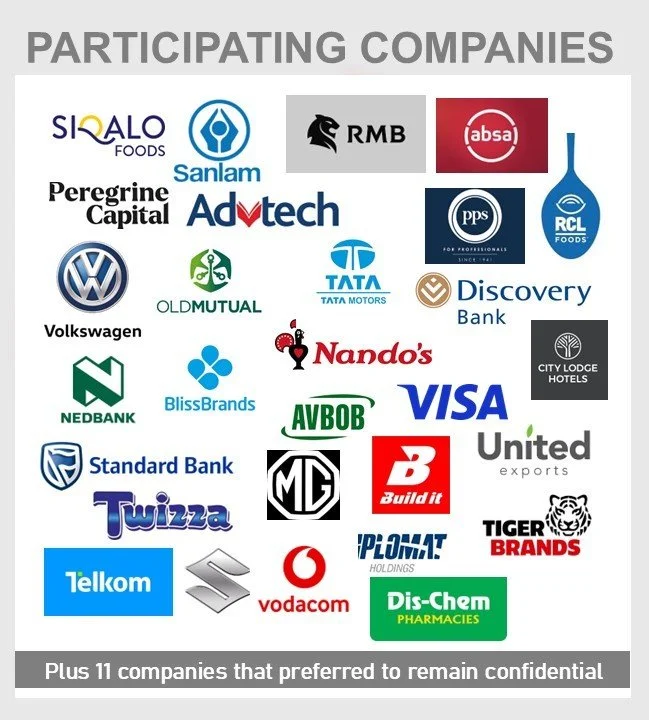
It was created and commissioned by the Independent Agency Search & Selection Company (IAS) and forms part of the company's 20th anniversary commitment to give something practical back to the industry it works in. The research was funded by the IAS, with interviews conducted by an experienced marketing research consultant, and no agency, media owner or other commercial partner had any influence over the findings.
“We thought about bringing in a sponsor, but we wanted to own our own IP and produce something brands and agencies could actually use,” says Johanna McDowell, CEO and Founder of the IAS.
Not either/or
Across the interviews, one view came through consistently: brand and performance marketing aren't competing priorities but interdependent ones. Brand investment builds the trust and recognition that performance marketing later converts into sales. Neither works as well without the other.
One marketer put it simply, "Brand marketing is almost the foundation of the house. It's the quality of brick. It's the quality of mortar. It's what everything else gets built on."
Even so, the research found a gap between belief and budget. Most respondents said brand marketing deserves the larger share of investment, yet economic pressure and the demand for immediate ROI keep pulling spend towards shorter-term performance activity.
How marketer-agency relationships are actually structured.
The interviews also mapped how marketing teams and agencies now work together. Many organisations run combination models: internal teams set strategy while agencies split along disciplines — brand work typically staying with one partner and performance marketing with another. Some marketers, however, have found agencies able to handle both disciplines under one roof, and have structured their costing models accordingly. That structure is shifting. A growing number of organisations are deliberately pulling capability in-house, particularly in performance marketing, digital analytics and data management, with several respondents describing active plans to bring performance marketing fully internal within two years.
The research suggests this is less a cost story than a data one.
"We brought performance in-house because we needed to own the data," one respondent said. "When we changed agencies, we lost years of insight. That won't happen again."
McDowell says the research wasn’t meant to hand down advice. "We wanted to create a shared picture of what's actually happening inside leading marketing teams, not tell anyone how to do their job. If marketers and agencies understand each other's pressures a bit better, they can build stronger partnerships and get better returns on both sides."
What happens next
The findings will be released progressively over the coming months through industry presentations, articles, executive summaries, video content and a full white paper later this year. Marketers who took part will get early access to the results and to discussions built around them.